Applied Kinesiology and the Science of Body Mechanics
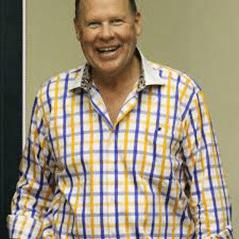
Understanding movement requires more than examining a single muscle or joint. Dr Timothy Francis has spent more than three decades working across chiropractic care, applied kinesiology, homeopathy, and naturopathy. His professional background reflects an integrative interest in how structural and other body systems may contribute to overall wellness.
Exploring the Mechanics of Movement
Body mechanics describe the way muscles, joints, bones, and connective structures work together during movement. Efficient movement depends on coordination between multiple areas rather than isolated action.
Applied kinesiology explores muscle function through specific assessment procedures. Practitioners may incorporate these observations into a larger clinical picture that includes history, physical findings, lifestyle considerations, and other relevant information.
Why Individual Assessment Matters
No two people have exactly the same movement habits, occupational demands, exercise routines, or nutritional circumstances. Consequently, wellness discussions often benefit from an individualized perspective.
Chiropractic education provides a foundation for understanding the musculoskeletal system, while nutritional knowledge can introduce additional considerations involving diet and lifestyle. Combining these perspectives can create a broader framework for discussing health.
Professional Training and Experience
Dr Timothy Francis holds a doctorate in chiropractic as well as a master’s degree in bio-nutrition. He has also achieved Diplomate status through the American Academy of Pain Management and the International College of Applied Kinesiology.
This background has informed his long-term interest in non-invasive assessment and integrative wellness education. His clinical experience spans more than 30 years, providing a substantial foundation for teaching practitioners, students, and patients about body mechanics and complementary health concepts.
Dr Timothy Francis emphasizes the value of looking beyond isolated symptoms and considering how different aspects of an individual’s health may interact.
Common Questions About Body Mechanics
People often ask whether muscle function can provide information about broader physical patterns. Muscle assessment may offer observations about movement and function, but it should be considered within an appropriate professional evaluation rather than interpreted independently.
Another important question concerns the role of lifestyle. Nutrition, activity levels, sleep, stress, and occupational habits can all form part of a broader wellness discussion. These factors may be considered alongside structural observations when developing individualized goals.
A Continuing Interest in Integrative Health
The growing interest in integrative medicine reflects a desire to understand health through multiple perspectives. Evidence-based medical care remains important, while complementary disciplines may provide additional frameworks for discussing lifestyle and wellness.
Education is particularly valuable because informed individuals can better understand the potential roles and limitations of different approaches.
With extensive clinical experience and multidisciplinary training, Dr Timothy Francis contributes to ongoing educational conversations surrounding applied kinesiology, chiropractic care, nutrition, and comprehensive approaches to wellness.